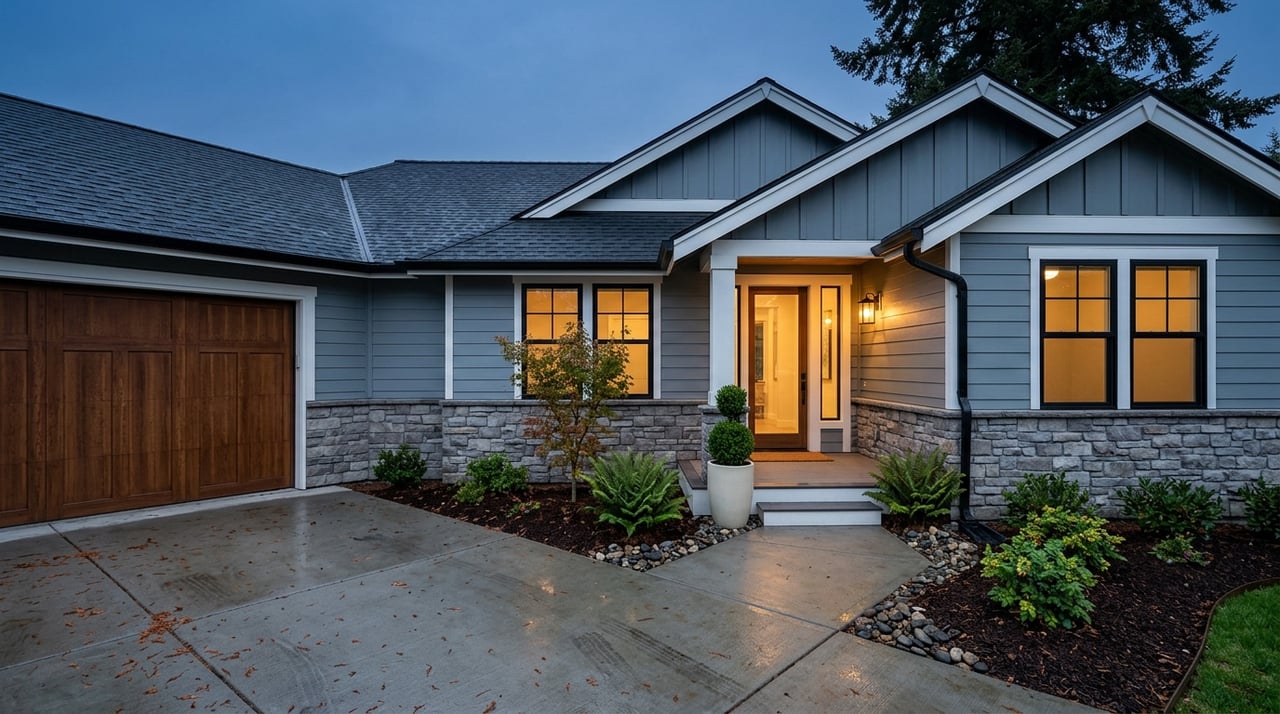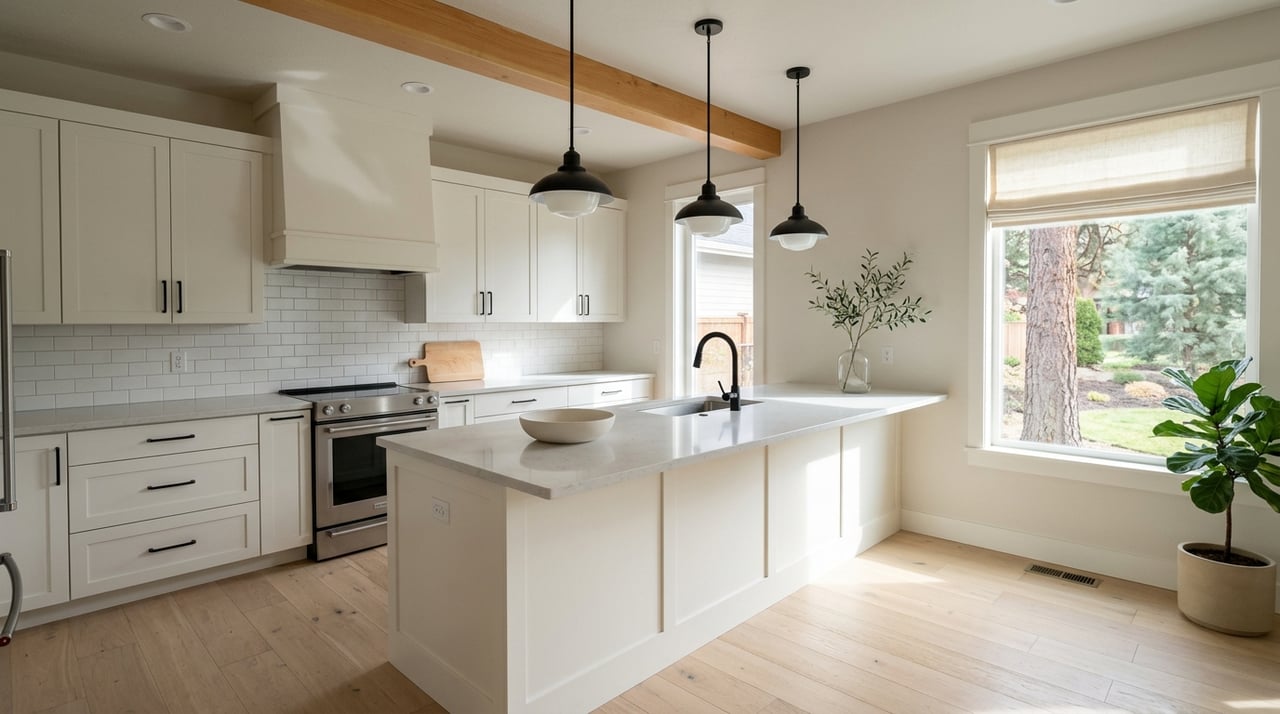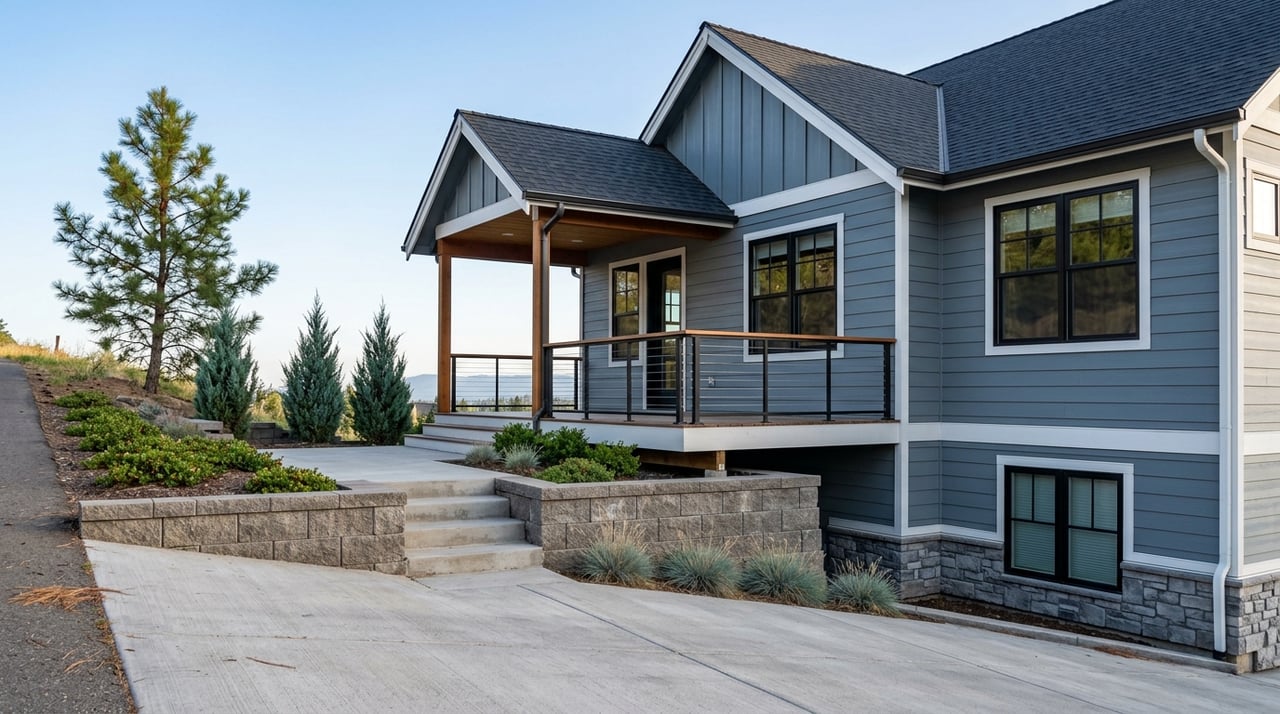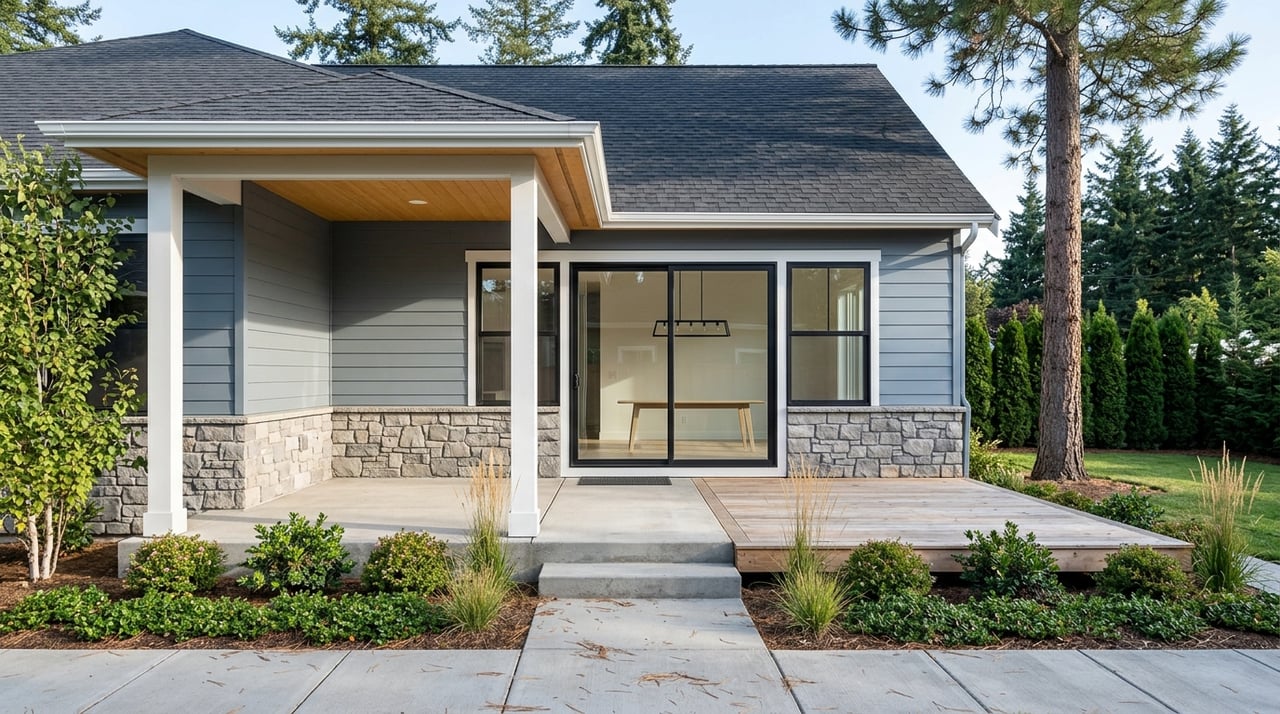
If you are dreaming about a Chelan home that you can also rent out part of the year, you are not alone. Many buyers are drawn to the idea of enjoying the lake lifestyle while creating extra income, but in Chelan, rental potential depends on much more than a great view. If you understand the local rules, seasonal demand, and financing questions before you make an offer, you can avoid costly surprises and buy with more confidence. Let’s dive in.
Why Chelan Rental Potential Gets Attention
Chelan County has a strong tourism economy, and that matters if you are thinking about short-term rental income. The county reported nearly 2.6 million overnight visitors in 2024, which was up 6% from 2019 to 2024.
That kind of visitor volume helps explain why many buyers look at Chelan homes through both a lifestyle and investment lens. At the same time, county findings show that demand tends to be seasonal, with consistent summer peaks and only some winter peaks.
For you as a buyer, that means rental potential may be strongest during high-demand travel periods rather than evenly spread across the whole year. Most visitors also come from within Washington, which can shape booking patterns around weekends, holidays, and seasonal events.
Start With One Key Question
Before you fall in love with a property, ask a simple question: Is this home actually allowed to be rented the way you plan to use it? In Chelan, that answer can change based on whether the property is inside city limits or in unincorporated Chelan County.
That difference affects zoning, permits, occupancy rules, and timing. It can also affect whether an existing short-term rental setup transfers to you after closing.
City of Chelan Rules to Know
If the home is inside Chelan city limits, short-term rentals are limited to certain land-use zones. On top of that, HOA bylaws or development agreements may place additional rental restrictions.
The city currently requires an annual short-term rental operating license, a City business license, and a State UBI number. The city also requires the license number to appear in advertisements.
Current city guidance lists these fees and requirements:
- Initial short-term rental license fee: $600 per unit
- Annual renewal fee: $300 per unit
- Ownership transfer fee: $300
- Transfer window: limited to 60 days from closing
- Required liability insurance: $1,000,000
The city also references health and safety inspections, plus parking and occupancy limits. If you do not use a local management company, the city may ask for proof of residency for the designated responsible party.
Chelan County Rules Outside City Limits
If the property is in unincorporated Chelan County, the county defines a short-term rental as a nightly rental for less than 30 days. The county uses a tiered permit system, and each tier has different occupancy limits.
Here is the current county structure:
| Tier | Occupancy Type | Max Overnight Occupancy | Current Fee |
|---|---|---|---|
| Tier 1 | Owner-occupied or owner-present | 8 | $600 |
| Tier 2 | Not owner-occupied | 12 | $600 |
| Tier 3 | Owner-occupied or not owner-occupied | 16 | $900 |
The county also requires at least $1,000,000 in primary liability insurance. Current guidance says new short-term rental permit applications are accepted only once each year, from June 1 through July 31, for the following year in areas where the cap has not been exceeded.
That application window is a big deal for buyers. If you buy a home assuming you can apply anytime, you could find yourself waiting months for the next opportunity.
Why Existing Permits Matter
Some buyers focus on homes that already operate as short-term rentals, and that can be smart. Still, you should not assume an existing permit automatically transfers with the sale.
The county notes limited transfer rules for some existing nonconforming permits. If you are considering a county property with rental history, confirm transferability before closing, not after.
Chelan County also maintains a GIS map showing permitted short-term rentals, including permit number, local contact name, phone number, tier, and maximum allowable overnight occupants. That can help you verify what is already approved for a specific property.
Don’t Forget HOA and Development Rules
Local government approval is only part of the picture. A home can be in a zone that allows rentals and still face stricter rules through an HOA or development agreement.
That is why document review matters so much when you are shopping for a Chelan home with rental potential. You want to know whether private restrictions limit rental length, occupancy, parking, or management requirements before you commit.
Financing Can Change the Math
A lot of buyers start by asking, “Can I rent it?” A better follow-up question is, “How will my lender classify it?”
Conventional lenders generally classify homes as primary residences, second homes, or investment properties. That classification can affect underwriting, pricing, and whether rental income can be used to help you qualify.
For second-home financing, Fannie Mae says the home must be occupied by you for some portion of the year, must be a one-unit property, and must be suitable for year-round occupancy. If rental income is identified, the loan may still qualify as a second home if that income is not used for qualifying and the other second-home requirements are met.
Freddie Mac guidance is similar. It says the property should be available primarily for your personal use for more than half the calendar year, and short-term renting may be allowed if the home is not in a rental pool or under a management arrangement that controls occupancy.
If the lender treats the purchase as an investment property instead, the loan terms may look different. That is why it helps to talk with your lender early if your plan includes even occasional rental use.
ADUs Can Add Flexibility
If the home has an accessory dwelling unit, or ADU, your financing conversation may be a little more flexible. Fannie Mae says ADUs can add value and rental income, and certain loan products can be used to buy a home with an ADU, renovate an existing ADU, or add one.
For some loans, ADU rent may also help with qualifying. If that is part of your strategy, it is worth discussing early so you can target properties that match both your budget and your long-term use plan.
Understand the Tax Difference
In Washington, the length of the stay changes how lodging is taxed. According to the Washington Department of Revenue, lodging for less than 30 days is treated as transient lodging.
That means those stays are generally subject to retail sales tax, business and occupation tax on lodging income, and most local lodging taxes. By contrast, 30-day-or-longer rentals are considered nontransient, and those rents are not charged lodging taxes and are exempt from B&O tax.
Because lodging tax rate materials are updated quarterly, it is smart to verify current rates before you rely on estimated income. Small tax differences can affect your real net return.
Questions to Ask Before Making an Offer
If you are serious about buying a Chelan home with rental potential, keep this checklist handy:
- Is the property inside Chelan city limits or in unincorporated Chelan County?
- Is there an active short-term rental permit?
- If there is a permit, is it transferable?
- What are the occupancy, parking, inspection, and insurance requirements?
- Does the HOA or development agreement restrict rentals?
- Will your lender classify the home as a primary residence, second home, or investment property?
- If you want to count rent toward qualifying, is that allowed for your loan type?
- If you plan to rent short term, who will be the local contact or property manager?
These are the questions that help you separate a home with real rental potential from one that only looks good on paper.
A Smart Buying Strategy for Chelan
In a market like Chelan, the best opportunities often go to buyers who do their homework early. That means defining how you want to use the property, narrowing your search by location and rules, and verifying permits and restrictions before you get too far down the road.
It also means staying realistic about seasonality. Chelan’s visitor demand is strong, but the county’s tourism patterns suggest that high-demand periods may matter more than expecting steady year-round bookings.
If you are buying from out of town, this is where local guidance becomes especially valuable. A property can look perfect online, but details like permit timing, zoning, and HOA limits can change the picture fast.
Local Offices to Verify Current Rules
Rules can change, so it is wise to verify details directly with the appropriate office before you rely on a property’s rental potential.
The City of Chelan Community Development Department is listed at 135 E Johnson Ave. with phone number 509-682-8017. Chelan County Community Development is listed at 316 Washington Street, Suite 301 in Wenatchee with phone number 509-667-6225, and the county also posts a short-term rental hotline at 509-293-4577.
Buying a Chelan home with rental potential can absolutely be a smart move, but only when the property, your financing, and your rental plan all line up. If you want local insight, thoughtful guidance, and help sorting through the details before you write an offer, connect with Sara Wagg.
FAQs
What should you verify first when buying a Chelan home with rental potential?
- First, verify whether the home is inside Chelan city limits or in unincorporated Chelan County, because that determines which rental rules, permits, and occupancy limits apply.
Can you use a Chelan home as a short-term rental inside city limits?
- Yes, but only in certain land-use zones, and you also need to confirm any HOA bylaws or development agreements that may further restrict short-term rentals.
How often can you apply for a Chelan County short-term rental permit?
- Current county guidance says new permit applications are accepted once each year, between June 1 and July 31, for the following year in areas where the permit cap has not been exceeded.
Does an existing Chelan County short-term rental permit transfer to a new buyer?
- Not always, so you should confirm transferability before closing because the county notes limited transfer rules for some existing nonconforming permits.
How does financing work for a Chelan home with occasional rental use?
- Your lender may classify the property as a primary residence, second home, or investment property, and that decision can affect pricing, underwriting, and whether rental income can be used for qualifying.
How are short-term rentals taxed in Washington?
- Rentals for less than 30 days are generally treated as transient lodging and may be subject to retail sales tax, B&O tax on lodging income, and most local lodging taxes, while 30-day-or-longer rentals are treated differently under current state guidance.