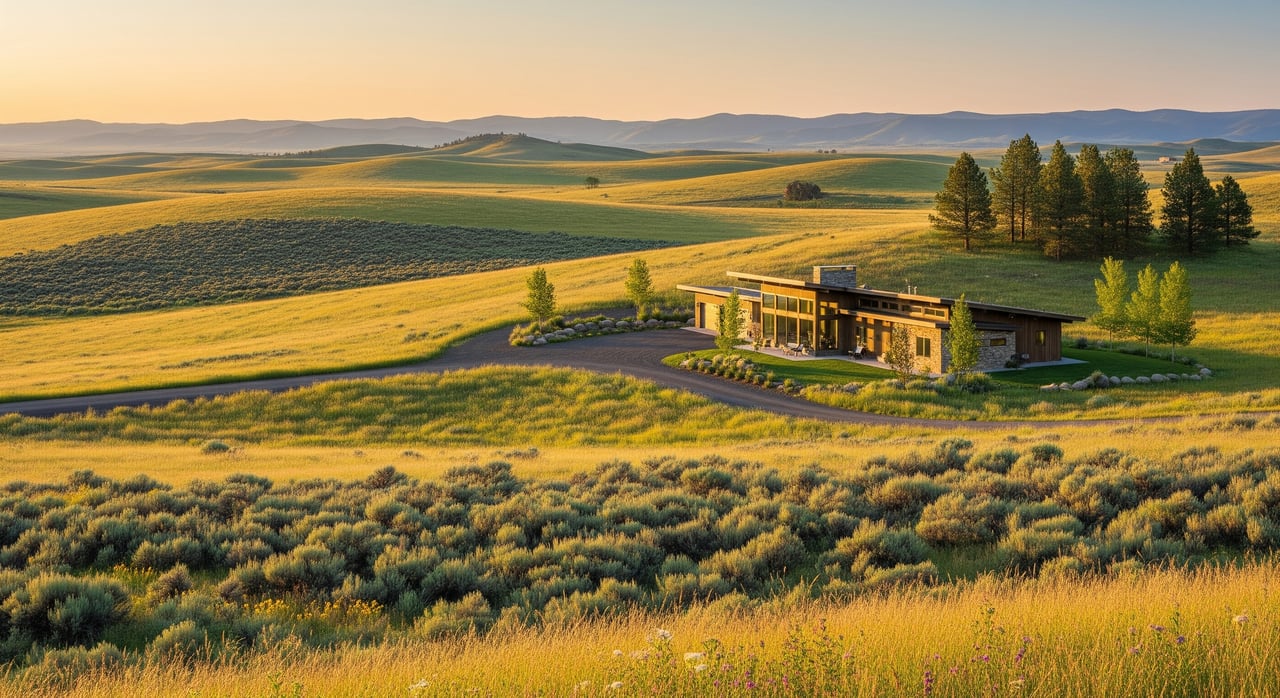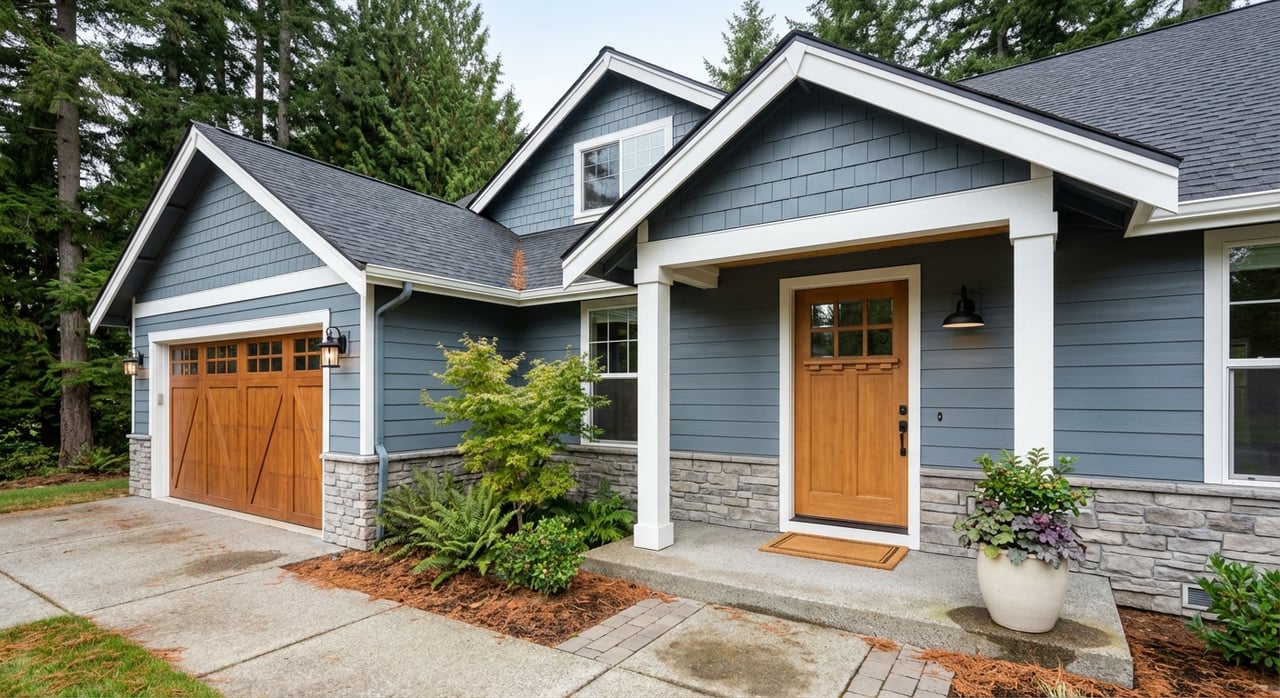
Thinking about a place where you can unplug on the lake, sip local wine, and host friends on summer weekends? Chelan checks all those boxes, but buying a vacation home here comes with unique market rhythms, rental rules, and operating costs. If you plan to visit often or rent part-time, the details matter. In this guide, you’ll learn how Chelan’s seasonality affects demand, what to know about short-term rental regulations and taxes, how lenders and the IRS view vacation homes, and what costs to budget before you buy. Let’s dive in.
Why Chelan appeals year-round
Chelan is a four-season destination with peak visitor demand in late spring and summer and a smaller winter season tied to festivals and nearby skiing. The local visitor guide lists major events that can influence both your personal planning and potential rental demand. You can explore seasonal highlights through the Lake Chelan Chamber’s visitor resources.
If you’re considering rental income, those peak dates are key for pricing and occupancy. Even if you do not plan to rent, seasonality affects inventory on the market and how quickly desirable homes near the lake move.
Know STR rules first
Before you analyze returns or even tour homes, check how local short-term rental rules apply to the specific address. Regulations differ between the City of Chelan and unincorporated Chelan County, and compliance is not optional.
City vs county check
Start by confirming whether the property sits inside Chelan city limits or in unincorporated Chelan County. The City of Chelan has updated its zoning rules for where and how short-term rentals may operate, including specific provisions for agriculturally based rentals and accessory dwelling units. Review the city’s zoning chapter summary via Zoneomics’ code overview and verify current requirements with the city before you proceed.
County permits overview
In unincorporated areas, Chelan County treats short-term rentals as a commercial land use with a tiered permit system that sets occupancy limits, location restrictions, and inspection duties. The rules also require a local contact who can respond to issues promptly and establish health and safety compliance. Read the county’s official standard in Chelan County Code 11.88, and confirm details like zoning eligibility, permit caps, occupancy, parking, and noise.
Taxes and registration
Washington taxes short-term stays through a mix of state sales or use tax and local lodging or special hotel taxes. Hosts who rent multiple times per year generally must register with the state and remit applicable taxes. Platforms may collect some taxes in certain jurisdictions, but you remain responsible for registration and final filings. Review the Department of Revenue’s lodging tax classifications and guidance and confirm exact local add-ons for your address.
Plan financing and taxes
How you intend to use the home affects your loan options and your tax treatment. Clarify this early to avoid surprises during underwriting or at tax time.
Second home vs investment
Lenders distinguish a second home used by you part of the year from a property primarily intended for rental income. Conventional second-home programs often require higher minimum down payments than a primary residence, while investment property loans typically require larger down payments and reserves. Policies vary by lender, and program rules can change, so ask how your intended use will be classified. For agency context and project-eligibility considerations, see Fannie Mae’s Selling Guide reference.
IRS rules for rentals
Vacation homes have special federal tax rules. If you use the home for personal purposes more than the greater of 14 days or 10 percent of the days it is rented at fair market value, you must allocate expenses between personal and rental use. Rental income and allowable deductions depend on your use pattern, and depreciation, passive-activity loss limits, and recordkeeping all come into play. Review the details in IRS Publication 527 and speak with a tax professional for a plan that fits your goals.
Insurance and wildfire
Wildfire exposure is a reality across much of Chelan County. The county has updated its Community Wildfire Protection Plan to address growing risk and mitigation priorities. This can affect insurance availability, premiums, and what insurers require, like defensible space or home-hardening features. Start quotes early, and be prepared to provide underwriters with property details and mitigation steps. Learn more from Chelan County’s wildfire planning update and the Washington Office of the Insurance Commissioner’s consumer resources.
Budget ongoing costs
Beyond your purchase price and loan, build a clear annual operating budget. Prices and utilities vary by property type and location, so model conservatively.
Monthly and annual costs
Plan for these recurring items:
- Mortgage payments and lender-required reserves
- Property taxes
- Homeowners or landlord insurance, plus umbrella coverage if needed
- Utilities and services: power, water, sewer or septic, internet, garbage, landscaping, snow, and pest control
- HOA or resort dues, if applicable
- Routine maintenance and seasonal servicing
- Cleaning and laundry for guest turnover if you rent part-time
- Property management fees if you use a manager
- A capital expenditure reserve for big items like roof, HVAC, appliances, and deck work
Property taxes context
Public tools often show Chelan-area effective tax rates below the national median, though your actual bill depends on assessed value and local levies. For planning context, see third-party summaries of Chelan tax trends like this Chelan property tax overview, then confirm the parcel’s current assessed value and levy lines with the county assessor or treasurer.
Wells, septic, utilities
Many rural parcels rely on private wells and septic systems. Occupancy and rental approvals can be tied to system capacity and health-department standards. If you plan to rent, the county’s short-term rental rules reference health and safety compliance for on-site systems. Verify sewer or septic status and inspection history before you buy. Start with Chelan County Code 11.88 for STR compliance requirements and plan appropriate inspections during due diligence.
Rent it part-time
If hosting guests will be part of your strategy, decide early whether you will self-manage or hire a local pro.
Management and fees
Full-service vacation-rental managers often charge 15 to 35 percent of gross rental revenue, depending on what is included. Cleaning, linen, restocking, and maintenance markups are common add-ons. A strong manager handles 24/7 guest response, dynamic pricing, vendor coordination, and local compliance. Compare contracts carefully, especially what is included versus billed separately. For an industry overview, see this breakdown of vacation-rental management fees.
Smart buying timeline
Use this simple sequence to stay ahead of surprises:
- Define use: second home for personal stays, part-time STR, or full-time rental. Your loan and taxes hinge on this.
- Jurisdiction check: confirm city limits or county, and review applicable code. Start with Chelan County STR regulations or the city’s zoning chapter summary.
- Lender call: ask how the property will be classified and what down payment and reserves are required. See Fannie Mae’s agency context for background.
- Insurance quotes: request bindable quotes early, especially in wildfire-exposed areas, and review insurer mitigation requirements. The county’s wildfire plan and state insurance resources can guide questions.
- Tax setup: confirm Washington lodging and sales tax registration and whether your platform collects local taxes for your address. Start with the DOR’s lodging tax guidance.
- Property review: verify sewer or septic status, well records if applicable, HOA or resort CC&Rs, and any existing STR permits or code-enforcement history.
- Cash-flow model: use conservative occupancy outside of peak summer. Subtract cleaning, utilities, insurance, property taxes, platform fees, management, maintenance, and a capex reserve. Do not assume peak rates year-round.
Out-of-area checklist
Use this quick list to keep your process on track:
- Confirm city vs county location and read the applicable STR code: Chelan County Code 11.88 or the City of Chelan zoning chapter summary.
- Ask for the property’s STR permit status, any code-enforcement history, and whether use is legal or nonconforming under current rules. Start with the county code for context.
- Verify sewer, well, and septic approvals and recent inspections. STR occupancy may tie back to approved system capacity. See Code 11.88.
- Get insurance quotes early due to wildfire exposure. Review the county’s wildfire planning and the state insurance site for questions to ask.
- Confirm Washington lodging and sales tax registration and how platform tax collection applies in your jurisdiction using the DOR’s lodging classifications.
- Clarify loan type with your lender, since second-home and investment loans differ on down payment, rates, and reserves. See Fannie Mae’s guide reference.
- Interview at least two local property managers and one maintenance vendor, and compare fee structures and service coverage. For norms, review management fee ranges.
- Build a conservative cash-flow model that reflects Chelan’s seasonal demand and includes a capex reserve.
Ready to explore?
Buying a vacation home in Chelan can be a joy when you match the right property with clear financing, tax, and operating plans. If you are shopping from out of area, you do not have to do it alone. I offer remote previews, FaceTime showings, and grounded local guidance so you can move forward with confidence.
Have questions or want to see a place virtually? Reach out to Sara Wagg to get started today.
FAQs
What should I check first when buying a Chelan vacation home?
- Confirm whether the property is inside the City of Chelan or in unincorporated Chelan County, then read the applicable short-term rental rules and zoning context before you make an offer.
How do Washington lodging taxes work for short-term rentals?
- Washington applies state sales or use tax plus possible local lodging taxes, and hosts who rent multiple times per year generally must register and file; review the DOR’s lodging guidance and verify local add-ons.
How do lenders treat a second home versus an investment property?
- A second home used by you part of the year is different from a primarily income-focused investment property, and down payments and reserves usually differ; ask your lender early and see Fannie Mae’s guide reference for context.
What IRS rules affect a vacation home I also rent?
- If you use the home for personal purposes more than the greater of 14 days or 10 percent of rental days, you must allocate expenses and follow special rules; start with IRS Publication 527.
How does wildfire risk affect my Chelan purchase?
- Wildfire exposure can influence insurance availability, premiums, and mitigation requirements, so get quotes early and review the county’s wildfire planning update and the state insurance site.
What are typical vacation-rental management fees in Chelan?
- Full-service managers commonly charge 15 to 35 percent of gross rental revenue, with separate fees for cleaning and maintenance; compare contracts and see an industry overview for ranges.