Looking at rural parcels around Waterville and not sure where to start? Buying land in Douglas County can be rewarding, but the details around zoning, access, water, and septic can feel complex. You want a clear path from first tour to breaking ground without surprises. This guide gives you the exact steps, the local offices to contact, and what to budget for so you can move forward with confidence. Let’s dive in.
Waterville rural parcels 101
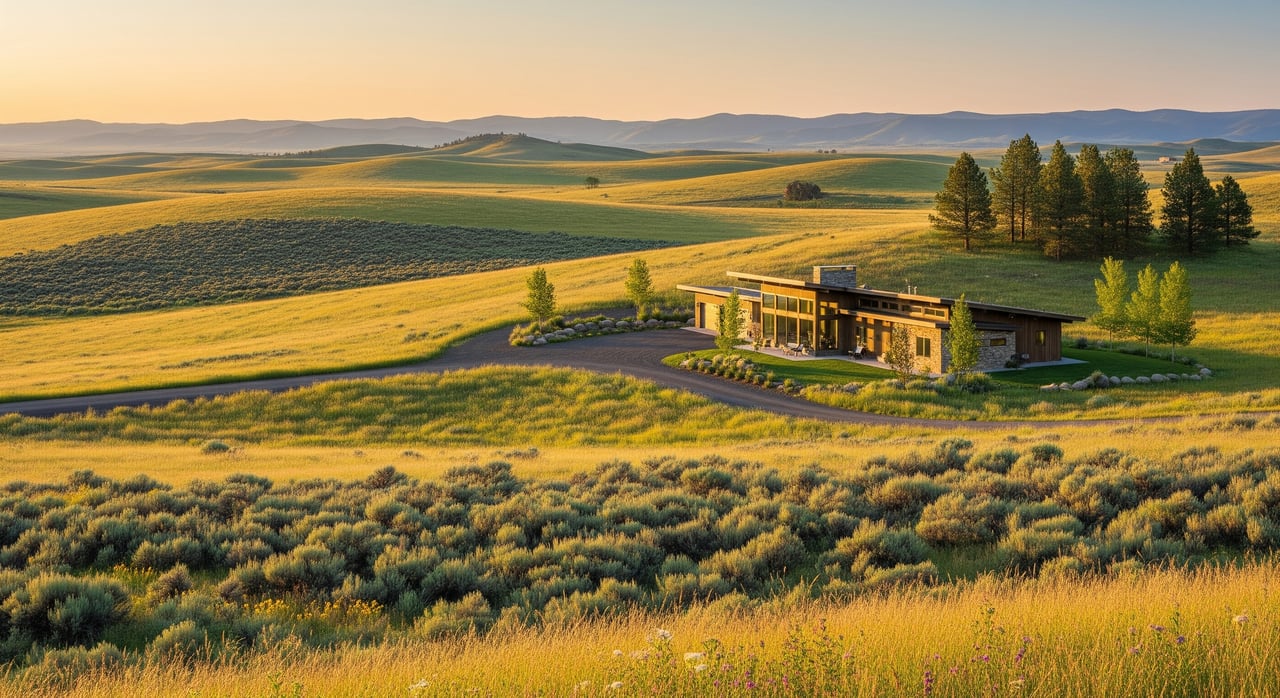
In the Waterville area, you’ll see raw land, recreational tracts, agricultural parcels, and small residential acreage. Some properties sit inside irrigation districts, others do not. Prior agricultural use and water rights history can affect what you can do next. Your goal is to match the parcel type with your intended use and confirm it is feasible before you close.
Start with parcel records
Begin with the basics. Get the Assessor Tax Parcel Number and recorded legal description from the seller or county records. Pull tax history and check for special assessments with the Douglas County Assessor. Search recorded documents with the County Auditor for easements, covenants or CC&Rs, liens, and any road maintenance agreements.
Verify zoning and uses
Call Douglas County Planning and Zoning to confirm current zoning and the comprehensive plan designation. Ask what is permitted outright and what needs a conditional use permit, plus minimum lot size, density, setbacks, lot coverage, and height limits. Verify if the parcel is inside a Growth Area or designated Agricultural Resource Land under the Growth Management Act because that can limit subdivision or change what you can build. Also ask about any overlays or critical areas that affect development.
Confirm legal access
Map how you reach the property. Access might be from a county public road, a state route, or a private road or easement. If it is private, confirm a recorded right of ingress and egress and get a road maintenance agreement. Check with Douglas County Public Works on whether you need a driveway or culvert permit and whether year-round emergency vehicle access is feasible. Ask about winter snow plow schedules and any seasonal closures for the specific road.
Plan for power and internet
Call the local utility or public utility district to confirm power availability and the cost to extend service. Expect higher costs if the nearest line is far away. For communications, review cell coverage and broadband options, and confirm expected upload and download speeds. Ask providers if fiber is planned so you can set realistic expectations for work and streaming.
Solve for water
Water is often the make-or-break item in central Washington. Confirm if the parcel has a public water system or irrigation service. If not, plan on a private domestic well and research feasibility early. Check Washington State Department of Ecology records for existing water rights attached to the parcel and whether a new well is legally supportable. Understand how exempt well rules apply and whether any local restrictions limit pumping volumes. If the land once used irrigation water, verify whether those irrigation rights still run with the parcel or were severed in past transactions.
Check septic feasibility
Septic approvals run through Douglas County Environmental Health. A site evaluation and soil testing by a certified professional are typical first steps. You need an adequate drainfield area that is outside setbacks, floodplains, and critical areas. If soils are marginal or slopes are steep, you may need an engineered or alternative system, so budget for higher costs and longer timelines.
Assess environmental risks
Use official maps and local guidance to identify constraints. Check FEMA flood maps for floodplain, floodway, and elevation standards. Review county critical areas and state habitat information for wetlands or sensitive species. Consider slope stability and erosion risks, which can trigger geotechnical studies for foundations and driveways. Review wildfire hazard information and ask the serving fire district about defensible space and building requirements that may apply to your site.
Permits and fire rules
The Douglas County Building Department issues building permits and enforces local amendments to the Washington State Building Code. Confirm permit requirements, typical timelines, and required inspections for your project type. Identify the serving fire district and confirm fire access standards, water supply for fire suppression, and any wildfire mitigation rules. In higher hazard areas, your building plans and landscaping may need to meet stricter standards.
Survey and title checks
Order a preliminary title report early. You want to see all easements, restrictions, access rights, and any mineral or timber rights issues. If boundaries or access are unclear, hire a local land surveyor for a boundary or ALTA survey. On older rural parcels, fences often do not match the recorded lines, so a fresh survey helps you avoid disputes.
Understand site costs
Expect rural site work to cost more than an in-town lot. Use the NRCS soils data and county GIS to get a first look at soils and slope. Consider commissioning a topographic survey to plan driveway alignment, building placement, and drainage. Budget for longer utility runs, driveway construction, culverts, erosion control, septic installation, well drilling, and general site prep. Small shifts in driveway length or trenching distance can change costs a lot, so get multiple estimates.
Financing and taxes
Financing raw land is different from purchasing an improved home. Many lenders require higher down payments, higher rates, and shorter terms for vacant land. If you plan to build, a construction-to-permanent loan can be a good path. Some buyers explore USDA Rural Development programs for eligible home purchases. For taxes, confirm the current rate and whether the parcel carries agricultural or timber classifications that can affect current use assessments. Get quotes for homeowner, liability, and wildfire insurance because availability and premiums vary by risk and fire district rating.
Smart touring tips
Before you tour, compile parcel numbers, pull county GIS maps, and coordinate with the listing agent and local utility for basic service information. On site, record GPS points and take photos and video of the approach, road condition, and neighboring features. Note distances to the nearest public road, visible utilities, and the serving fire station. After the tour, schedule a septic site evaluation, talk with a licensed well driller about local well depths and production, and request a pre-application conversation with Douglas County Planning for parcel-specific guidance.
Waterville buyer timeline
- Preliminary research: Gather the parcel ID, view county GIS and assessor data, and review basic zoning.
- Site visit: Evaluate access, topography, seasonal conditions, and nearby utilities.
- Contingent offer: Include zoning, septic, well, and title contingencies.
- Due diligence: Order survey and title, schedule soil and site evaluations, and research well feasibility.
- County guidance: Seek preliminary feedback from the county on permits and site feasibility.
- Closing: Plan any post-closing actions such as road maintenance agreements and permit applications.
- Building next steps: Apply for building and septic permits, coordinate inspections, and line up contractors.
A step-by-step checklist
- Confirm parcel identity and recorded documents.
- Verify zoning, comprehensive plan, and allowed uses.
- Confirm legal access and road maintenance.
- Estimate power and communications extensions.
- Verify water source, water rights, and exempt well rules.
- Test soils and confirm septic design feasibility.
- Check floodplain, wetlands, habitat, slope, and wildfire risk.
- Clarify permits, inspections, and fire protection standards.
- Order title, consider a survey, and confirm boundaries.
- Review soils and topography, then refine site work costs.
- Compare financing options, tax status, and insurance quotes.
Local realities to consider
Waterville sits in a semi-arid part of east central Washington, so water availability tends to be a central factor. Confirm well feasibility and water rights early to avoid delays. Plan for winter snow and spring run-off on unpaved roads, and ask about seasonal maintenance on specific routes. Wildfire risk can shift building materials, landscaping, and insurance pricing, so build mitigation into your plans.
Work with a local pro
Buying rural land is part research, part logistics, and part patience. A local agent who understands Douglas County processes and the timing of utilities, wells, and septic can save you time and money. If you want help organizing due diligence, arranging FaceTime showings, or coordinating with county staff and local contractors, reach out to Sara Wagg. You will get clear communication, grounded local guidance, and support from first tour through closing.
FAQs
What zoning rules apply near Waterville?
- Contact Douglas County Planning and Zoning for the current zoning, comprehensive plan designation, permitted uses, and any overlays that affect your parcel.
How do I confirm legal road access?
- Check county road layers and recorded easements, then verify driveway and culvert permit needs with Douglas County Public Works and confirm year-round emergency access.
Can I drill a well on rural land?
- Many rural parcels rely on private wells, but you must confirm legal availability and water rights with the Washington State Department of Ecology and review any local restrictions.
How do I know if septic will work?
- Schedule a site evaluation and soil testing through Douglas County Environmental Health and a licensed septic professional to confirm the system type and location.
What environmental checks should I run first?
- Review FEMA flood maps, county critical areas, and state habitat information, and consider slope stability, erosion, and wildfire hazard for the specific parcel.
What are typical hidden costs on rural lots?
- Longer utility runs, driveway construction, culverts, erosion control, septic and well installation, and wildfire mitigation often add meaningful costs to a rural build.
Is financing available for vacant land purchases?
- Some lenders finance rural land with higher down payments and rates, and construction-to-permanent loans are common for buyers planning to build.