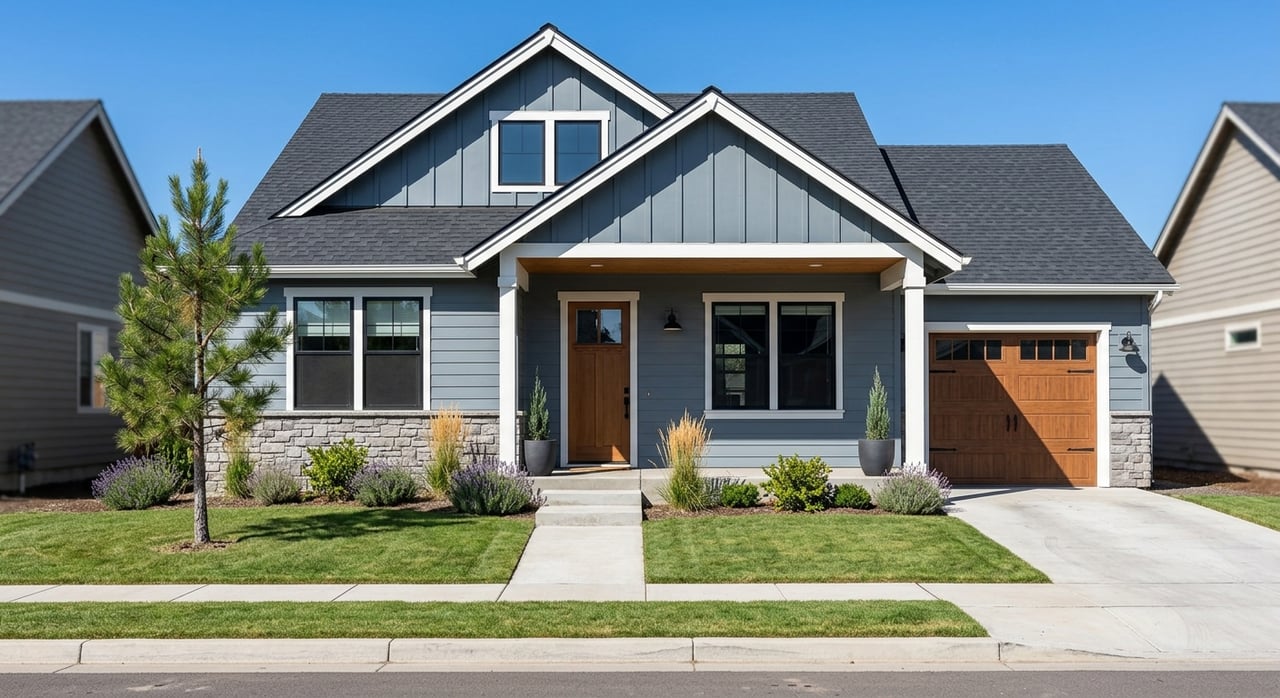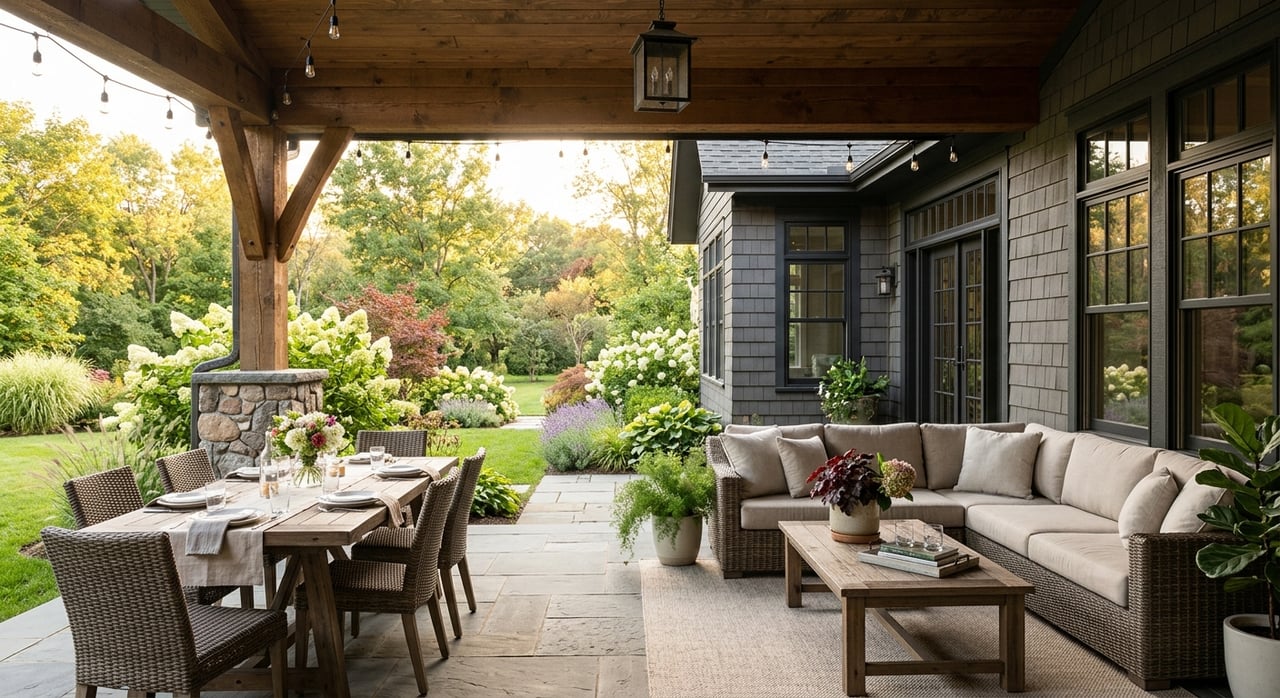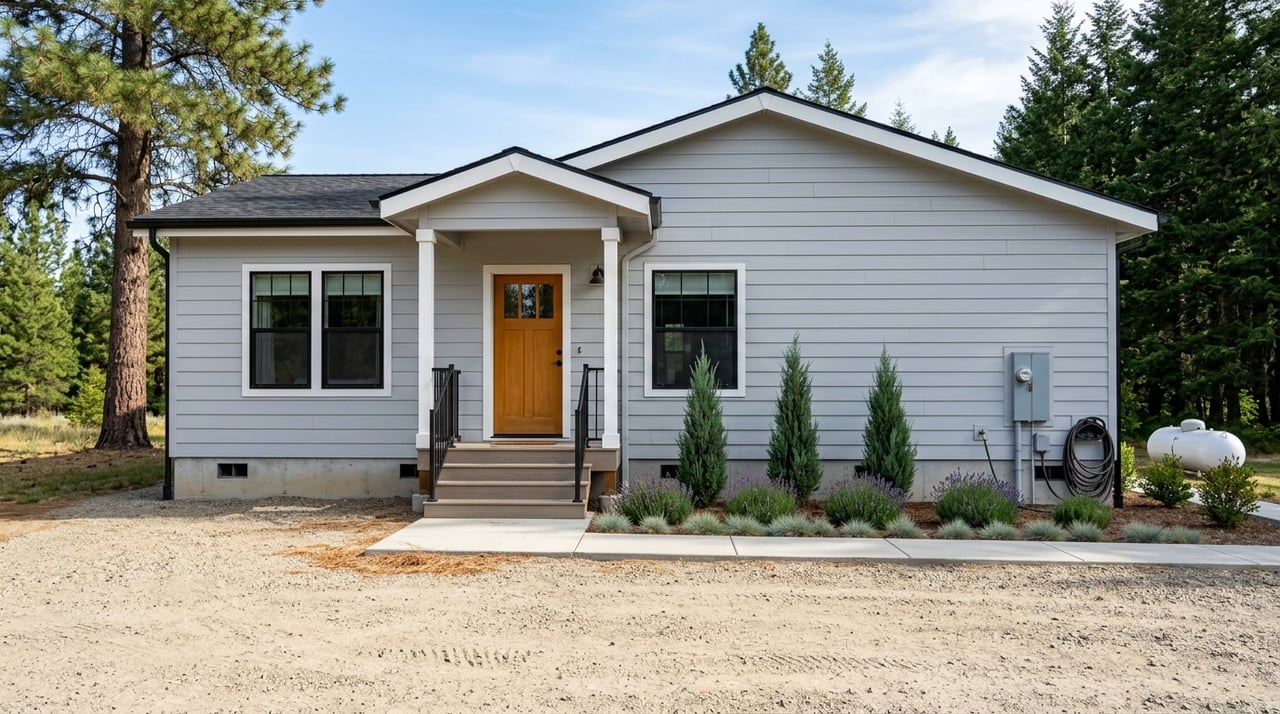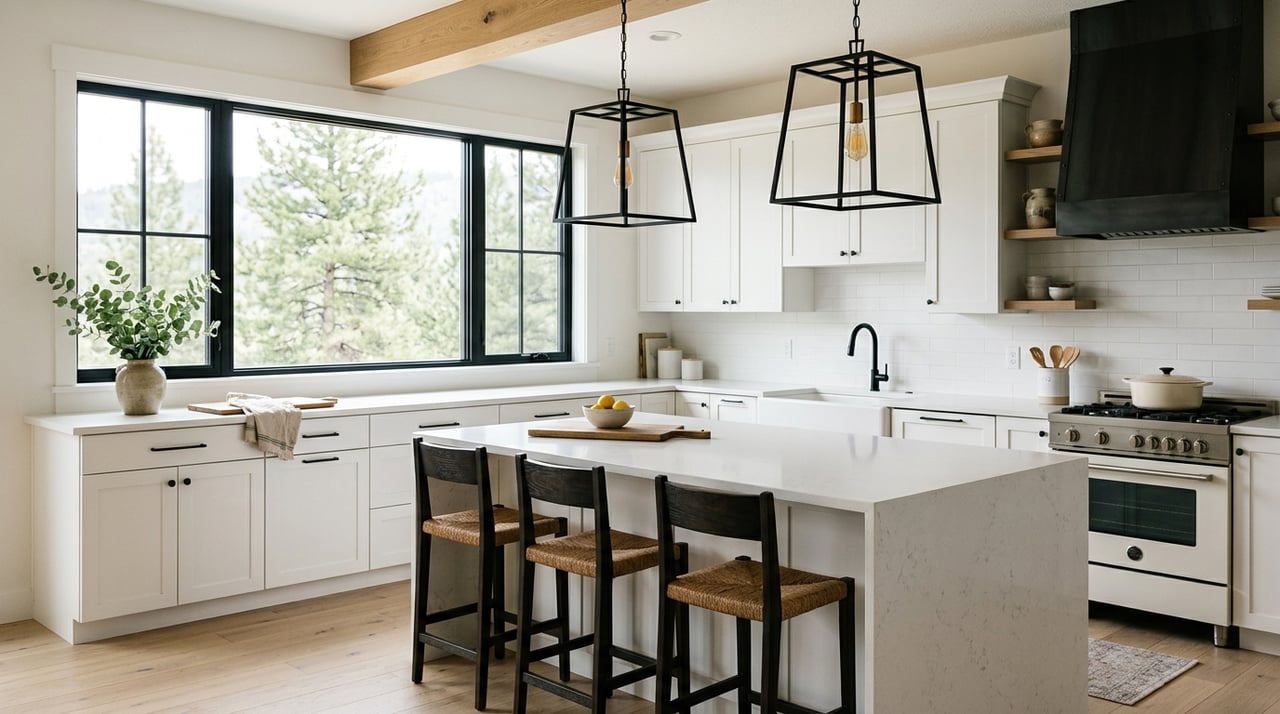
Selling in East Wenatchee can feel like a balancing act. You want to make your home look its best, price it well, and avoid leaving money on the table. In a market where some homes move quickly and buyers are watching value closely, those decisions matter more than ever. This guide will help you focus on the prep work and pricing strategy that can give your home a stronger start. Let’s dive in.
Why pricing matters in East Wenatchee
East Wenatchee’s recent market snapshots point to the same big takeaway: this is an active market, but that does not mean every price will work. March and April 2026 data show median sale prices ranging from the mid-$400,000s to low-$500,000s, with homes going pending in roughly 16 to 18 days in some datasets.
At the same time, active listings and time on market have also shown some upward movement. Realtor.com’s April 2026 summary reported 207 homes for sale, active listings up 4.44% year over year, and median days on market up 18.18% year over year. That means sellers still have opportunity, but buyers may have a little more room to compare options.
This is why pricing precision matters. Redfin reported a 104.1% sale-to-list ratio in March 2026, while Realtor.com reported a 100% sale-to-list ratio in March 2026. Those numbers suggest well-positioned homes can still attract strong attention, but overpricing can make a listing sit longer than expected.
Start with preparation, not guessing
Before you settle on a list price, make sure your home is ready to be judged by buyers both online and in person. A polished presentation helps buyers connect with the home faster, and that can support stronger early interest.
The 2025 Profile of Home Staging found that 83% of buyers’ agents said staging made it easier for buyers to visualize a property as a future home. The same report found that some sellers’ agents and buyers’ agents saw offer increases of 1% to 5%, and 30% of sellers’ agents reported a slight reduction in time on market.
In a market like East Wenatchee, where early momentum can matter, that kind of preparation is not just cosmetic. It can shape how buyers respond in the first days your home is listed.
Focus on the rooms buyers notice first
If you have limited time or budget, do not try to do everything at once. Focus first on the areas that tend to make the biggest impression.
According to NAR staging research, the rooms most often staged are the living room, primary bedroom, and dining room. The research also points to the living room, primary bedroom, kitchen, bedrooms, and bonus spaces like offices as high-impact areas when resources are limited.
That gives you a practical place to start. If buyers walk in and see bright, clean, functional spaces in those key rooms, the whole home often feels more cared for.
Prep priorities worth doing
Here are the low-cost, high-visibility updates that staging research consistently supports:
- Declutter every room
- Deep clean the whole home
- Touch up paint where needed
- Make minor repairs
- Refresh landscaping
- Remove pets during showings when possible
- Invest in strong listing photos and video
These steps may sound simple, but they help buyers focus on the home itself rather than distractions. NAR’s earlier staging survey found that 96% of agents recommended decluttering, 88% recommended whole-home cleaning, and 83% recommended removing pets during showings.
What to fix before listing
You do not need a full remodel to improve buyer response. In most cases, small visible issues matter more than major upgrades that may not return dollar for dollar.
Before listing, pay close attention to:
- Scuffed walls or chipped paint
- Loose handles or hardware
- Leaky faucets
- Burned-out light bulbs
- Dirty windows
- Worn entry areas
- Overgrown or dry landscaping
These are the kinds of details buyers notice quickly. When they pile up, buyers may assume bigger maintenance issues exist, even if that is not the case.
Use sold comps, not hopeful list prices
One of the most common pricing mistakes is looking at active listings and assuming your home should match them. In East Wenatchee, that can create unrealistic expectations.
Recent snapshots show sold-price medians in the mid-$400,000s to low-$500,000s, while list-price medians have been higher, around the low-to-mid $600,000s. That gap is a good reminder that asking prices are not the same as closed prices.
Your best pricing foundation is recent sold comparables, adjusted for your home’s condition, size, location, updates, and lot features. A clean, well-prepared home may earn stronger interest, but buyers still compare value carefully.
What a smart pricing approach looks like
A disciplined pricing strategy usually includes:
- Reviewing recent closed sales, not just active listings
- Comparing homes with similar size, condition, and features
- Accounting for upgrades and deferred maintenance honestly
- Watching early showing activity and buyer feedback
- Being ready to adjust quickly if the market response is weak
This approach helps you avoid two costly problems: pricing too high and losing momentum, or pricing too low without a clear strategy.
The first two weeks matter most
When your home first hits the market, it gets the most attention from buyers who are already watching for new listings. That early window is important in any market, and it is especially important in East Wenatchee right now.
Some local snapshots show homes going pending in as little as 16 to 18 days, while another shows a median of 39 days on market. Even with those differences, the practical takeaway is clear: if your home is not getting solid traffic, serious interest, or meaningful feedback early, you should reassess quickly.
That could mean the price is too ambitious, the presentation needs improvement, or the listing assets are not showing the home well. Waiting too long to respond can make buyers wonder why the home has not sold.
Signs your price may need attention
Watch for these warning signs after listing:
- Plenty of online views but very few showings
- Showings without offers
- Repeated feedback that the home feels overpriced
- Nearby comparable homes going pending first
- Interest fading after the first week or two
A quick, thoughtful adjustment is usually better than letting a listing grow stale. The goal is to respond to the market while your home still feels fresh.
Strong listing assets help support price
Preparation and pricing work best when buyers can actually see the value in your home. That starts online.
NAR’s staging research points to photos, videos, and traditional staging as important listing assets. Since many buyers decide whether to schedule a showing based on what they see online first, clean visuals can make a major difference.
This is where professional guidance matters. A well-prepared home with strong photography, a clear pricing strategy, and responsive communication gives buyers confidence from the start.
Be ready for Washington disclosures
As you prepare to sell, it helps to know what paperwork may be part of the process. In Washington, sellers of improved residential real property generally must provide a completed seller disclosure statement unless the buyer waives it or the transfer is exempt.
Under Washington law, that disclosure is generally due within five business days after mutual acceptance unless the parties agree otherwise. The buyer generally has three business days after delivery to rescind unless the parties agree otherwise. The disclosure is based on your actual knowledge, and it is not a warranty or a representation by the real estate licensee.
If your home was built before 1978, there is also a separate lead-based paint disclosure requirement under federal law. Sellers must disclose known lead-based paint information and provide the required EPA pamphlet before the buyer signs the contract.
Disclosure prep checklist
Before you list, it can help to gather:
- Notes on known repairs or defects
- Dates for major system updates if available
- Roof, HVAC, or plumbing history you can verify
- Information about past water issues or damage
- Any records related to pre-1978 lead-based paint disclosure, if applicable
Getting organized early can reduce stress later and help your transaction move more smoothly once you are under contract.
A practical plan for East Wenatchee sellers
If you want the simplest path forward, think in this order: prepare, price, launch, and respond. Clean up the home’s presentation first, set a list price based on sold comparables and current condition, make sure your photos and marketing are strong, and pay close attention to buyer response in the first two weeks.
That approach fits what the East Wenatchee market is showing right now. Buyers are active, and some homes still receive multiple offers, but strong results are more likely when a home looks polished and is priced with discipline.
If you are getting ready to sell in East Wenatchee, having a local, data-focused plan can make the process feel much more manageable. When you want personalized guidance on preparing, pricing, and presenting your home, reach out to Sara Wagg for practical advice and full-service support.
FAQs
How should you price a home in East Wenatchee?
- The strongest approach is to use recent sold comparables, your home’s current condition, and early buyer feedback instead of relying on higher active list prices.
What should you do before listing a home in East Wenatchee?
- Focus on decluttering, deep cleaning, touch-up paint, minor repairs, refreshed landscaping, and strong listing photos, especially in the living room, primary bedroom, and kitchen.
How fast are homes selling in East Wenatchee?
- Recent market snapshots show homes pending in about 16 to 18 days in some datasets, while another summary reported a 39-day median, so early market response is important.
Does staging help when selling a home in East Wenatchee?
- Research shows staging can help buyers visualize the home more easily, may support stronger offers, and can slightly reduce time on market.
What disclosures do Washington home sellers need to know about?
- Washington sellers of improved residential real property generally must provide a seller disclosure statement unless waived or exempt, and pre-1978 homes also have a separate lead-based paint disclosure requirement.