Looking for a quieter pace without giving up the basics you rely on every day? If Waterville, Washington is on your radar, you may be wondering whether this small Douglas County town offers the right mix of space, convenience, and community feel. The good news is that Waterville has more local services and amenities than many buyers expect, along with a compact housing pattern and a strong rural backdrop. Let’s take a closer look at what daily life in Waterville can really feel like.
What Waterville Feels Like
Waterville is a very small town, with a population of about 1,140 based on the town’s most recent survey, while the 2020 Census summary lists 1,134. It is also the county seat of Douglas County, which gives it an important civic role despite its size. If you want a place that feels established, compact, and grounded in local history, that is a big part of Waterville’s appeal.
The town describes itself as the highest incorporated town in Washington at 2,622 feet above sea level. Douglas County also describes Waterville as a farming community on a gently rolling basalt plateau surrounded by dryland wheat fields. In practical terms, that means open views, a lot of sky, and a setting that feels clearly connected to agriculture.
Day to day, Waterville reads as a quiet small town rather than a busy commercial hub. Its official community information highlights historic buildings, a museum, parks, fairgrounds, and civic services. If you are drawn to a simpler rhythm and a town-to-country edge, Waterville may feel like a strong match.
Small-Town Amenities You Can Use
One thing that stands out about Waterville is that it offers a solid set of community amenities for a town of this size. The town points residents and visitors to Pioneer Park, the municipal pool, Badger Mountain Ski Hill, the library, the school district, local non-profits, and a community calendar. It also lists garbage pickup and a recycle center among local services.
That matters because small-town living often comes down to daily convenience. You may not be looking for endless retail options, but you probably do want nearby places for recreation, errands, and community connection. Waterville appears to deliver those basics in a local, accessible way.
Parks and Recreation
Pioneer Park gives a good snapshot of what recreation looks like here. According to the town, the park includes a ball diamond, playground, tennis court, and picnic tables. That kind of setup supports everyday use, from casual afternoons outside to local sports and gatherings.
The town also operates a municipal swimming pool and posts seasonal hours and swim lesson information. That suggests recreation is not just theoretical here. It is built into the way the town functions during the warmer months.
Badger Mountain Ski Hill is another interesting local feature listed by the town. For buyers who enjoy outdoor access and a more seasonal lifestyle, that adds to Waterville’s small-town character.
Library and Civic Services
The Waterville Public Library is another practical asset. NCW Libraries lists public computers, free wireless internet, an early literacy computer, a children’s play area, 24-hour book return, and services like scanning, copying, faxing, and printing.
For a rural town, that is a meaningful everyday resource. It gives you a local place to handle simple tasks, use internet access, and tap into community services without always heading elsewhere.
Community Events and Local Identity
Waterville’s official site also highlights historic buildings, the Waterville Museum, and the North Central Washington Fair. The town says the fair is held each year during the third week of August. Events and institutions like these can shape how a place feels over time, especially in a town where community gathering spaces matter.
If you want a location where local traditions are visible and community life has recognizable anchors, Waterville offers that kind of setting. It is the sort of place where civic amenities and annual events can play a bigger role in daily life.
Climate and Seasonal Living
Climate is a real part of the Waterville lifestyle, so it is worth thinking through before you move. Douglas County’s profile says the area has four distinct seasons. For Waterville, the county lists average January temperatures of 30.9°F for the maximum and 15.6°F for the minimum, while July averages are 82.1°F and 52.7°F.
The county also lists annual precipitation at 11.41 inches and annual snowfall at 43.2 inches. That combination points to dry summers and cold, snowy winters. If you are considering commuting, exterior home upkeep, or winter driving, those seasonal realities should be part of your planning.
For some buyers, this climate is part of the draw. You get clear seasonal changes and a setting that feels tied to the landscape. For others, the snow and colder winter temperatures may be an adjustment, especially if you are moving from a milder area.
What Homes in Waterville Look Like
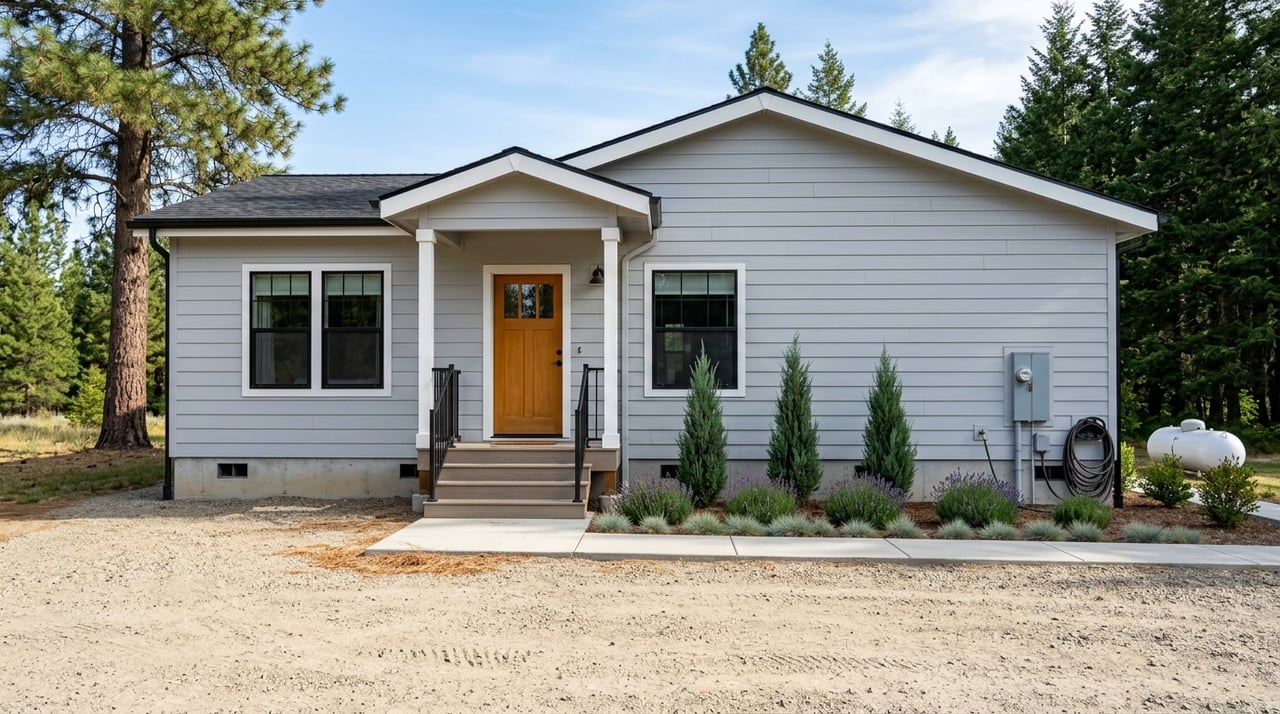
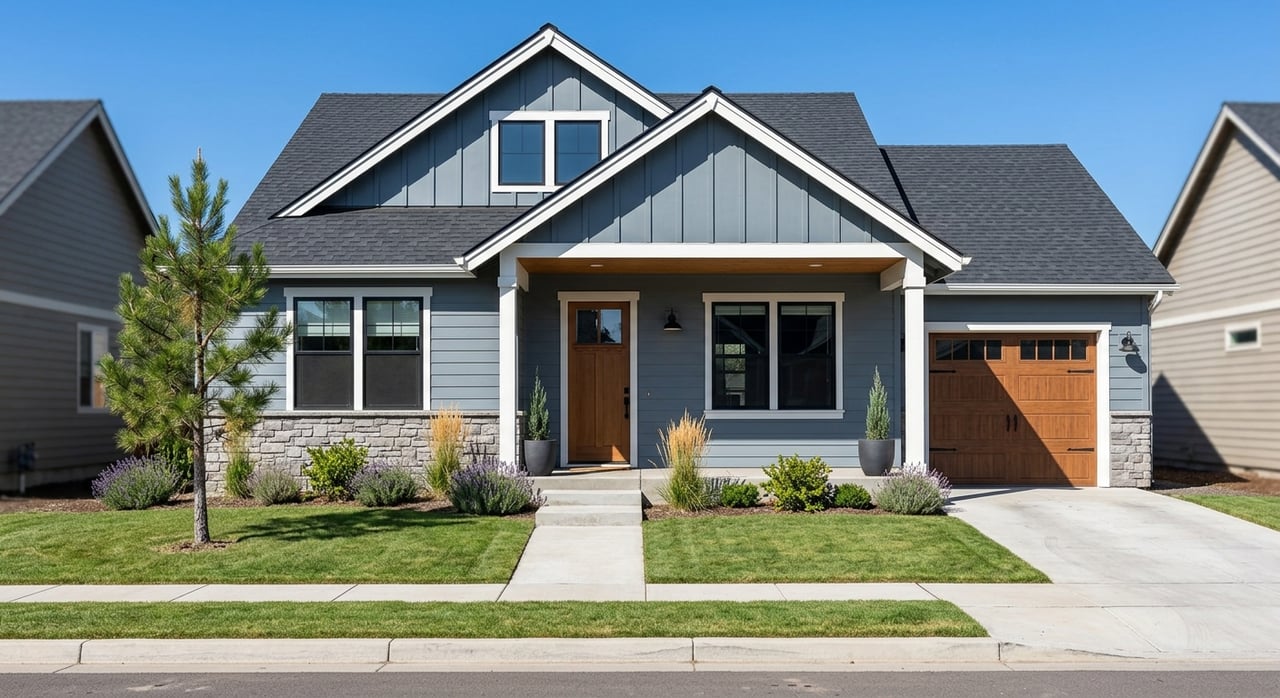
If you are trying to picture the housing market, Waterville’s planning documents offer useful context. The Waterville Urban Area Comprehensive Plan says the housing stock is about 70% single-family, 16% manufactured home, 11% multifamily, and 3% accessory units. That tells you right away that detached homes make up the majority of the market, but there is still some variety.
For buyers, that mix can be helpful. Depending on your budget and goals, you may find options ranging from traditional single-family homes to manufactured homes and some multifamily opportunities. That makes Waterville worth a look for first-time buyers, downsizers, and buyers who want a smaller-town setting with a range of housing types.
Lot Sizes and Neighborhood Pattern
The town’s zoning code gives more detail about what development looks like in Waterville. In the R-1 and R-2 districts, the minimum lot size for a single-family lot is 7,000 square feet, with a 75-foot minimum width and 90-foot minimum depth. Maximum residential density is 5 dwelling units per acre in R-1 and 10 dwelling units per acre in R-2.
Those numbers point to a lower-density small-town pattern rather than tightly packed urban development. The comprehensive plan also notes that the town had about 555 acres within town limits, including 371 platted lots and 184 acres of right-of-way. Altogether, that supports the idea of an established and compact town layout.
The same planning documents note an existing single-family pattern averaging about 2.8 units per acre, with at least half of the single-family residential area already platted. Many existing rights-of-way are 80 feet or more wide. For you as a buyer, that likely translates to established neighborhoods, modest city lots, and a gradual shift toward open agricultural land near the edge of town.
Utilities and Practical Expectations
Waterville’s zoning code also says public water and sewer service are required for R-1 and R-2 development. Septic is allowed only when public sewer is unavailable and health district rules are met. That is helpful practical information if you are comparing in-town housing with more rural properties outside similar town settings.
In addition, Douglas County’s information systems page says the county network is tied into Douglas County PUD fiber optics and includes Waterville among connected locations. Broadband infrastructure is an important part of modern daily life, especially if you work remotely, study online, or simply want reliable connectivity.
Who Waterville May Suit Best
Waterville can be a good fit if you want a small-town environment with local civic anchors and a clear rural identity. The combination of a library, school district, parks, pool, fairgrounds, and town services creates a sense of day-to-day function that goes beyond the town’s small population. You are not just buying a home here. You are choosing a pace and setting.
This town may especially appeal to buyers who value open surroundings, a quieter atmosphere, and a housing stock centered on single-family homes. It may also be worth considering if you like the idea of living in a compact community with a visible agricultural backdrop.
At the same time, Waterville is probably not the right fit if you want a dense commercial environment or the constant activity of a larger city. Its identity is rooted in small-town living, local institutions, and a landscape shaped by wheat fields and wide-open views.
How to Decide if Waterville Is Right for You
The best way to evaluate Waterville is to match the facts of the town with your own lifestyle. Ask yourself a few simple questions:
- Do you want a quieter, more rural setting?
- Are four distinct seasons, including snowy winters, a fit for your routine?
- Would local amenities like parks, a pool, a library, and community events meet your day-to-day needs?
- Are you open to a housing market led by single-family homes, with some manufactured and multifamily options?
- Do you like the idea of living in a compact town surrounded by agricultural land?
If most of those answers are yes, Waterville may be worth a closer look. And if you are comparing it with other communities in the broader Wenatchee Valley area, having local guidance can make the decision much easier.
If you are exploring homes in Waterville or nearby communities and want practical advice tailored to your goals, Sara Wagg can help you sort through your options, schedule a showing, and move forward with confidence.
FAQs
What is daily life like in Waterville, WA?
- Waterville feels like a quiet county-seat town with civic services, historic character, parks, a library, school presence, and a strong agricultural backdrop.
What amenities are available in Waterville, WA?
- The town lists Pioneer Park, a municipal pool, Badger Mountain Ski Hill, the library, community events, garbage pickup, and a recycle center among its amenities and services.
What kinds of homes are common in Waterville, WA?
- According to the comprehensive plan, Waterville’s housing stock is mostly single-family homes, with manufactured homes, multifamily housing, and accessory units making up the rest.
What is the climate like in Waterville, WA?
- Douglas County says Waterville has four distinct seasons, with cold winters, dry summers, about 11.41 inches of annual precipitation, and roughly 43.2 inches of annual snowfall.
Is Waterville, WA a rural community?
- Yes. Waterville sits on a basalt plateau and is surrounded by dryland wheat fields, giving it a distinctly rural setting even within its compact town limits.